A virus that infects a receptionist's computer, a ransomware attack launched through a phishing email, or malware introduced by a compromised vendor account can quickly spread across a poorly designed network. When office systems and production equipment share the same network environment, a single infection can halt operations, disrupt schedules, and create significant financial losses.
Many manufacturers invest heavily in cybersecurity tools, but one of the most effective ways to reduce operational risk is surprisingly simple: network segmentation. By separating critical production systems from everyday business networks, manufacturers can prevent cyber incidents from spreading and keep presses, CNC machines, PLCs, and other operational technology (OT) running even when an office network is compromised.
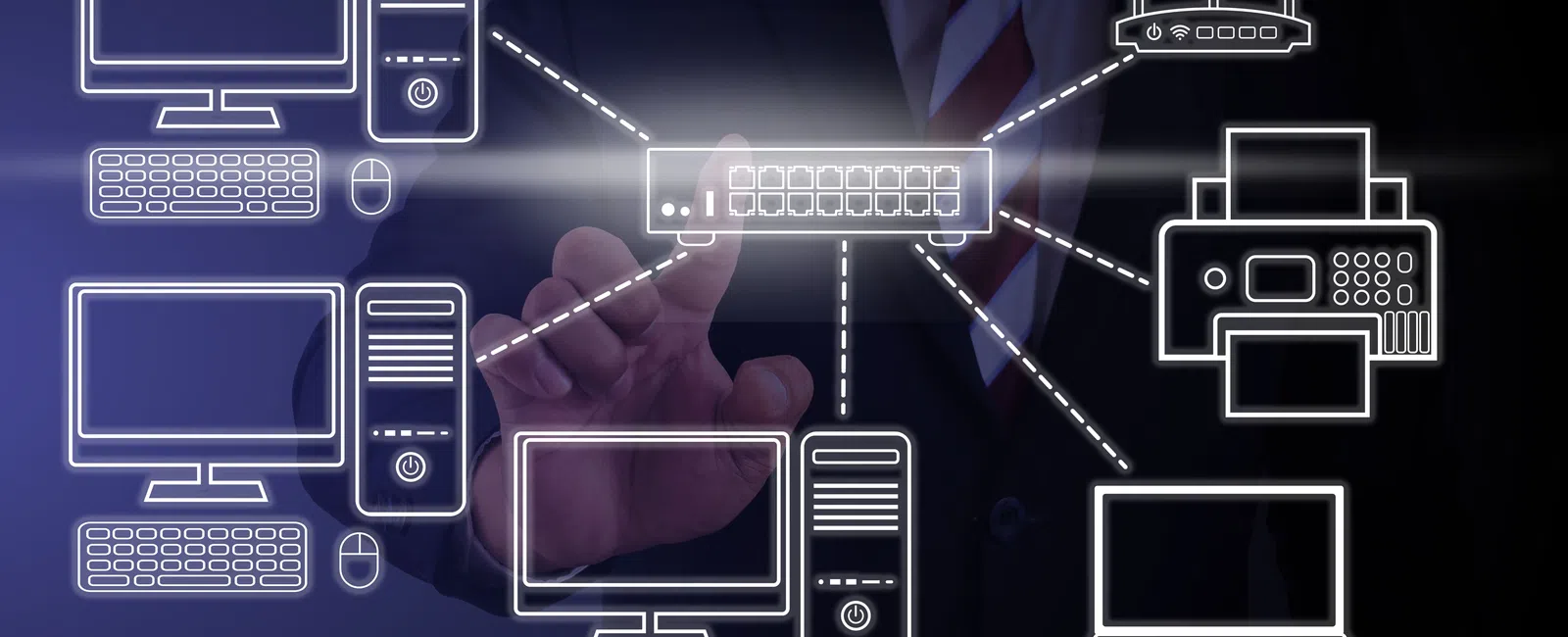
Network segmentation is the practice of dividing a network into separate zones or segments that are isolated from one another. Rather than allowing every device to communicate freely across the organization, segmentation creates boundaries that limit access between systems based on business needs and security requirements.
For example, a manufacturing company might separate:
- Corporate office computers
- Production equipment
- ERP systems
- Industrial control systems
- Vendor access portals
- Wireless networks
- Guest internet access
- Security cameras and IoT devices
Each segment operates independently and follows specific security rules that control how information moves between networks. Think of segmentation as installing fire doors throughout a building. If a fire starts in one area, the doors prevent it from spreading to the rest of the facility. The same principle applies to malware and ransomware.
Why Manufacturers Are Particularly Vulnerable
Modern manufacturing environments are more connected than ever.
Production equipment is increasingly integrated with:
- ERP platforms
- MES systems
- Cloud applications
- Remote monitoring tools
- Predictive maintenance systems
- IoT sensors
- Third-party vendors
While these technologies improve efficiency and visibility, they also create additional attack surfaces. In many facilities, production systems have gradually been connected to business networks over time without a comprehensive security strategy. As a result, an infection that starts in accounting or human resources can potentially reach critical operational systems. For manufacturers operating on tight schedules and slim margins, even a few hours of downtime can lead to missed deadlines, delayed shipments, and lost revenue.
When segmentation is properly implemented, a compromised office computer remains confined to its designated network segment.
Even if ransomware successfully infects a workstation, it cannot freely access production systems because security controls block unauthorized communication between network zones.
This means:
Production Equipment Remains Isolated
Presses, CNC machines, PLCs, robotics, and industrial control systems can operate independently from office networks.
A malware infection affecting administrative staff won't necessarily impact manufacturing operations.
Critical Systems Stay Online
ERP platforms, MES systems, and production databases can be placed in protected segments with strict access controls.
This reduces the likelihood that an office-based attack will disrupt operational workflows.
Threats Are Easier to Contain
Security teams can isolate affected network segments quickly without shutting down the entire facility.
Instead of responding to a company-wide incident, they can focus on the specific area that was compromised.
Regulatory and Customer Requirements Are Easier to Meet
Many manufacturers must comply with cybersecurity standards imposed by customers, suppliers, or industry regulations.
Network segmentation supports security frameworks by reducing risk and demonstrating stronger protection of critical systems.
Common Segmentation Strategies for Manufacturers
Every manufacturing environment is different, but several best practices apply across most facilities.
Separate IT and OT Networks
One of the most important steps is creating a clear separation between Information Technology (IT) and Operational Technology (OT).
Office computers, email systems, and internet-connected devices should not share unrestricted access with production equipment.
Restrict Vendor Access
Third-party vendors often require remote access to equipment and systems.
Instead of granting broad network access, manufacturers should create dedicated vendor zones with tightly controlled permissions.
Segment Wireless Networks
Guest Wi-Fi, employee wireless devices, and production systems should operate on separate networks.
This prevents unauthorized devices from becoming pathways into critical infrastructure.
Isolate IoT Devices
Connected sensors, cameras, and smart devices frequently have weaker security controls than traditional systems.
Placing them in dedicated segments limits their ability to serve as entry points for attackers.
Implement Access Controls
Segmentation works best when combined with role-based access controls.
Users should only have access to the systems necessary to perform their jobs.
Network Segmentation Is Part of a Larger Cybersecurity Strategy
Segmentation is highly effective, but it should not be viewed as a standalone solution.
Manufacturers should combine segmentation with:
- Multi-factor authentication (MFA)
- Endpoint detection and response (EDR)
- Security awareness training
- Vulnerability management
- Regular backups
- Disaster recovery planning
- Continuous network monitoring
Together, these measures create multiple layers of protection that reduce the likelihood and impact of cyber incidents.
The Cost of Downtime Is Too High to Ignore
Manufacturing organizations continue to adopt automation, cloud services, AI-driven analytics, and connected production technologies. While these innovations deliver tremendous value, they also increase cybersecurity complexity.
A single ransomware infection should never have the ability to shut down an entire production floor.
Network segmentation provides a practical and proven way to contain threats, protect critical equipment, and improve operational resilience. By creating secure boundaries between office systems and manufacturing environments, organizations can significantly reduce risk while maintaining productivity. Get started with this process and secure your manufacturing business by scheduling a 15-Minute Discovery Call with American Frontier today.