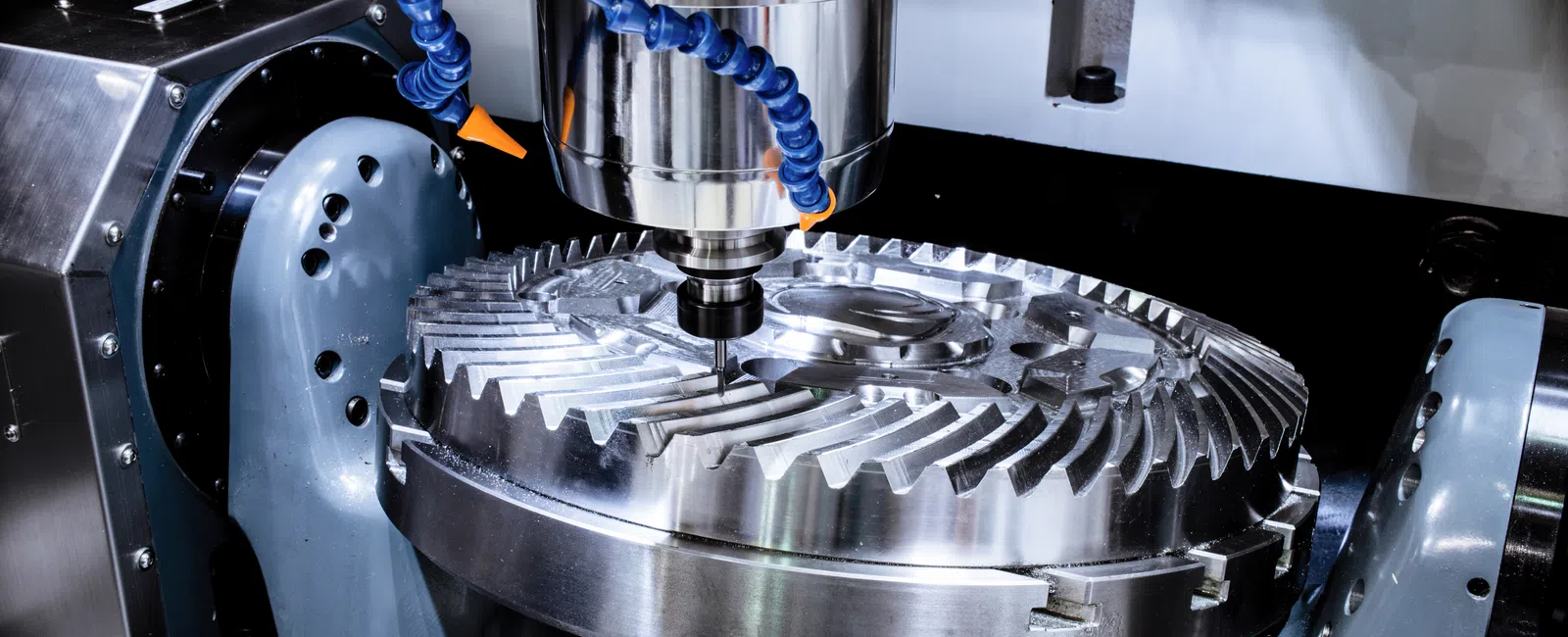
For years, manufacturers approached cybersecurity much like any other business. Protect the office computers, secure the email systems, deploy antivirus software, and keep servers updated. While those measures are still important, today's manufacturing environments have become far more complex. Modern production facilities rely on a combination of Information Technology (IT) systems and Operational Technology (OT) systems. While office computers, laptops, and business applications fall into the IT category, production equipment such as CNC machines, PLCs, robotics, industrial control systems, and production line controllers belong to the OT world. The problem is that many manufacturers attempt to secure both environments using the same cybersecurity strategy.
Unfortunately, what works for an office computer doesn't always work for a CNC machine. Understanding the difference between IT security and OT security is essential for protecting production operations, minimizing downtime, and reducing cyber risk.
Understanding the Difference Between IT and OT
Most office computers are designed around three primary priorities:
- Confidentiality
- Data integrity
- Availability
Protecting sensitive information is usually the primary objective.
For example, office systems handle financial records, customer information, contracts, HR files, and email communications.
In manufacturing environments, the priorities are often reversed.
Operational Technology systems focus on:
- Availability
- Safety
- Reliability
A production machine that stops unexpectedly can immediately impact revenue, production schedules, customer deliveries, and worker safety. This distinction fundamentally changes how cybersecurity must be approached.
Why CNC Machines Are Different
A modern office computer can usually be rebooted, patched, or upgraded with minimal disruption. A CNC machine is a different story.
Many CNC systems operate continuously and support critical production processes through specialized software. Shutting down a workstation for updates might inconvenience employees. Shutting down a CNC machine could halt an entire production line. Because of these operational realities, cybersecurity decisions in manufacturing environments require careful planning.
The Hidden Risks Facing CNC Machines
Many manufacturers assume production equipment is safe because it isn't used for browsing the internet or checking email. Unfortunately, attackers no longer need direct interaction with a machine to compromise it. Several factors make CNC systems attractive targets.
Legacy Operating Systems
Many CNC machines continue operating on outdated systems like Windows 7 & XP and other unsupported embedded systems. These systems often lack modern security protections and may no longer receive security updates. Attackers actively seek out vulnerable devices running unsupported software.
Increased Connectivity
Today's manufacturing equipment is more connected than ever. CNC machines frequently communicate with ERP systems, MES platforms, vendor support portals, and more. While connectivity improves efficiency, it also creates additional attack surfaces.
Vendor Remote Access
Equipment manufacturers and service providers often require remote access to troubleshoot problems and perform maintenance. Without proper controls, these connections can become entry points for cybercriminals.
Flat Networks
Many manufacturing facilities still operate with limited network segmentation. In these environments, a compromised office computer may provide attackers with a pathway to production systems.
Why Traditional IT Security Doesn't Always Work
When office computers become infected, IT teams often respond by installing patches, rebooting systems, and applying software updates. In serious cases, aggressive security scans and costly hardware replacement might be the suggestion.
These actions are generally appropriate in business environments. However, applying the same approach to CNC machines can create unintended consequences. Production equipment often relies on highly specialized software configurations. As a result, OT patch management typically requires additional validation and planning. Additionally, OT environments frequently require customized security controls rather than standard desktop solutions and manufacturing processes have a uniquely low tolerance for interruptions of service.
IT and OT Teams Must Work Together
Historically, IT departments and manufacturing operations teams often worked independently.
Today, that separation is becoming increasingly difficult.
As digital transformation initiatives connect business systems and production environments, collaboration is essential.
Successful manufacturers align:
- Cybersecurity objectives
- Production requirements
- Risk management efforts
- Business continuity planning
The goal is not simply protecting systems, it's protecting production.
The Future of Manufacturing Cybersecurity
Manufacturers continue to adopt advanced technologies including:
- Industrial IoT
- AI-driven analytics
- Cloud platforms
- Predictive maintenance systems
- Smart factory initiatives
These innovations deliver tremendous operational benefits, but they also expand the cybersecurity landscape.
Organizations that recognize the differences between IT and OT security are better positioned to embrace these technologies safely.
Final Thoughts
Your CNC machine may share a network with office computers, but it faces a very different set of cybersecurity challenges.
Unlike traditional business systems, production equipment prioritizes availability, reliability, and safety. Applying standard office cybersecurity practices without considering operational requirements can create unintended risks and disruptions.
Manufacturers need security strategies specifically designed for operational technology environments. Through network segmentation, secure remote access, continuous monitoring, asset visibility, and strong collaboration between IT and operations teams, organizations can better protect the systems that keep production moving.
Because when a laptop goes down, an employee may lose productivity. When a CNC machine goes down, the entire production schedule may be at risk. Prevent this by scheduling a 15-Minute Discovery Call with American Frontier today.